Loading..

Spiritual Growth: 7 Powerful Ways to Transform Within

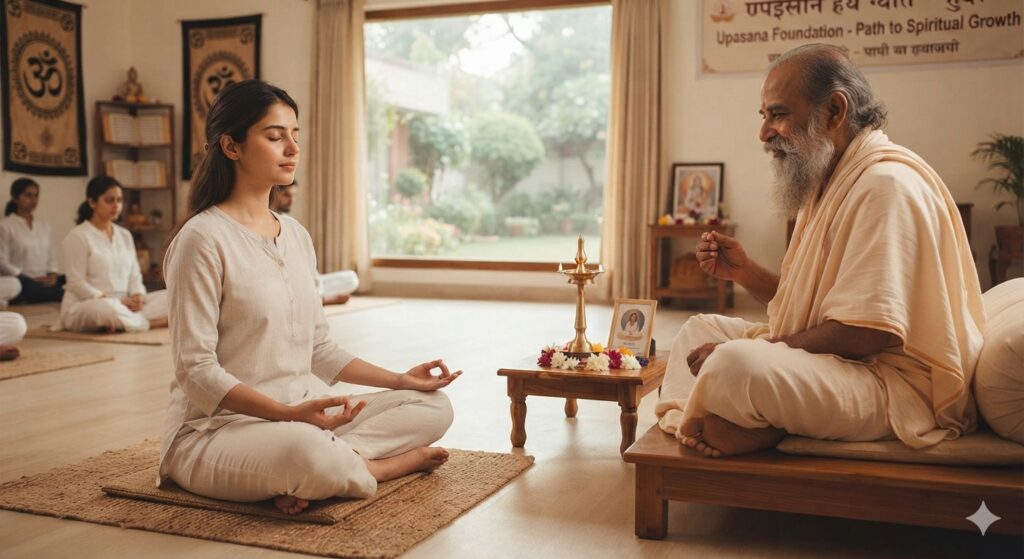
There comes a point in life when external achievements alone may not feel enough. You may have goals, responsibilities and relationships, yet still find yourself searching for greater clarity, purpose and inner peace.

That quiet search often marks the beginning of spiritual growth.

A spiritual journey does not have to mean withdrawing from everyday life or having all the answers. For many people, it begins with something much simpler: becoming more aware of their thoughts, emotions, actions and the direction in which their life is moving.

If you are feeling drawn towards deeper self-understanding, these seven practical steps can help you begin your journey with patience and sincerity. Organisations such as Upasana Foundation also offer structured spiritual learning and practices for seekers interested in exploring inner transformation more deeply.

What Does Spiritual Growth Really Mean?

Spiritual growth can mean different things to different people. For some, it involves developing a deeper connection with their spiritual beliefs. For others, it may focus on self-awareness, inner discipline, compassion, reflection or finding greater meaning in everyday life.

It is important to remember that spiritual development is rarely a race.

There is no fixed timeline for becoming more aware or finding a deeper sense of purpose. Real inner growth often happens gradually through reflection, experience and consistent practice.

The goal is not to become perfect. It is to become more conscious of who you are and how you live.

1. Begin with Honest Self-Reflection

Every meaningful spiritual journey begins with the willingness to look inward.

Modern life can be extremely busy. Work, family responsibilities, technology and constant distractions often leave little time to ask an important question:

“How am I truly living?”

Self-reflection gives you an opportunity to pause and observe your inner world.

You can begin by asking yourself:

  • What brings me genuine peace?
  • What situations repeatedly disturb me?
  • What fears or habits hold me back?
  • What values are most important to me?
  • Am I living according to those values?

You do not need to judge yourself while answering these questions. Simply observe honestly.

Keeping a journal can also help. Writing your thoughts down may make recurring patterns easier to recognise.

Spiritual growth often begins not by finding something outside yourself, but by becoming more aware of what is already happening within.

2. Create a Quiet Daily Practice

A busy mind rarely becomes calm simply because we wish it to.

Creating a small period of quiet each day can help you slow down and reconnect with yourself. This practice does not need to be complicated.

You might spend a few minutes:

  • Sitting quietly
  • Observing your breath
  • Reflecting on your day
  • Practising meditation
  • Reading meaningful spiritual teachings
  • Spending time in silence

Consistency matters more than duration when you are starting.

Ten minutes of sincere reflection practised regularly may be more meaningful than attempting an intense routine that you abandon after a few days.

The purpose is not to force your mind to become completely silent. Instead, allow yourself to notice your thoughts without immediately reacting to every one of them.

Over time, this simple practice can support greater self-awareness.

3. Learn to Observe Your Thoughts and Emotions

One of the most valuable aspects of spiritual growth is learning that you can observe your thoughts without automatically believing or following every thought that appears.

You may feel angry, anxious, disappointed or confused. These emotions are part of being human.

However, pausing before reacting can create space for greater awareness.

For example, instead of immediately responding when upset, ask yourself:

“What am I feeling right now, and why?”

This does not mean suppressing emotions. It means becoming more conscious of them.

Try to notice:

  • What triggers strong reactions
  • Which situations create repeated stress
  • How your thoughts influence your behaviour
  • Whether you react from fear, habit or understanding

This type of awareness can gradually help you respond more thoughtfully to everyday situations.

4. Bring Spiritual Values into Everyday Life

Spirituality does not need to exist separately from ordinary life.

Your spiritual journey can be reflected in how you speak to others, manage responsibilities, respond to difficulties and treat people around you.

You might begin practising values such as:

Compassion : Try to understand that others may be carrying struggles you cannot see.

Gratitude: Take time to recognise the people, opportunities and experiences that bring meaning to your life.

Humility: Accept that there is always more to learn.

Patience: Inner change rarely happens overnight.

Responsibility: Take ownership of your choices rather than blaming every difficult situation on external circumstances.

Small changes in everyday behaviour can become powerful parts of personal transformation.


Spiritual growth

5. Develop Discipline Without Becoming Rigid

Many people begin a spiritual journey with excitement. They create ambitious routines, make several promises to themselves and expect immediate transformation.

When they cannot maintain everything perfectly, they become discouraged.

A healthier approach is to develop gentle discipline.

Choose one or two practices you can realistically maintain. For example:

PracticeSimple Starting Approach
ReflectionWrite for 5–10 minutes
MeditationBegin with a short daily practice
ReadingRead a few meaningful pages
GratitudeReflect on three meaningful things
ServiceOffer time or skills to help others

Discipline gives direction to spiritual growth, but excessive pressure can make the journey feel like another stressful task.

Be committed, but also patient with yourself.

6. Learn Through Guidance and Shared Practice

Although self-reflection is deeply personal, you do not always have to walk your spiritual path alone.

Learning from experienced teachers, structured programmes or supportive communities can help some seekers understand spiritual practices more clearly.

Before choosing any programme, take time to understand:

  • The philosophy behind the practice
  • The level of commitment expected
  • Whether the approach feels suitable for your experience level
  • Whether guidance is available
  • How the teachings can be integrated responsibly into daily life

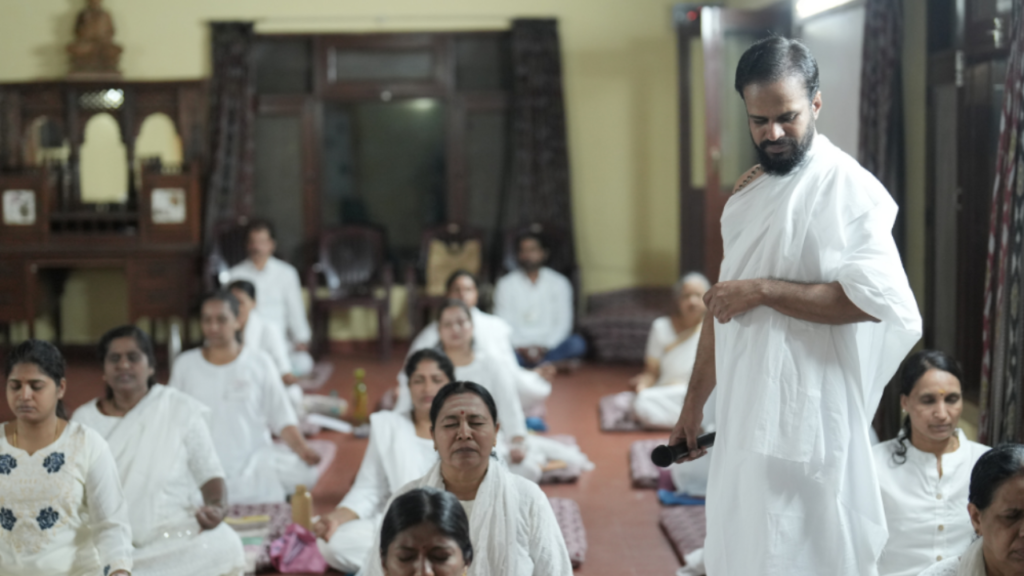
Upasana Foundation’s spiritual courses include practices and programmes centred around inner awareness, discipline and spiritual development. Its website describes offerings such as Manoshakti, Shakti Kriya and other guided spiritual practices.

For seekers in and around RR Nagar, Bangalore and Karnataka, exploring structured learning can be one way to understand which practices may align with their personal interests and level of experience.

7. Discover the Power of Seva and Meaningful Service

Spiritual growth is not only about looking inward.

For many people, serving others can also create a deeper sense of connection and purpose.

Seva, or selfless service, encourages individuals to contribute without making everything about personal gain.

This could involve:

  • Supporting someone in need
  • Sharing your skills
  • Helping your community
  • Offering your time to a meaningful cause
  • Practising kindness without expecting something in return

Service can remind us that personal transformation and our connection with others are not completely separate.

Upasana Foundation describes Sadhana, Seva and Love as central to its spiritual approach, linking inner practice with service and meaningful living.

Sometimes, helping another person can also teach us something important about ourselves.

Common Mistakes to Avoid on Your Spiritual Journey

Using spirituality to avoid real-life responsibilities

Spirituality should ideally support more conscious living rather than become an excuse to avoid relationships, work or necessary responsibilities.

Comparing your journey with others

Every person has different experiences, responsibilities and ways of understanding spirituality.

Following practices without understanding them

Take time to learn the purpose and approach behind a spiritual practice, especially before committing to advanced methods.

Ignoring your emotional wellbeing

Spiritual practices can complement personal development, but they are not a replacement for professional mental health care when it is needed.

Expecting instant transformation

Inner growth takes time. Do not assume that one meditation session, workshop or spiritual book will solve every challenge.

Focusing Only on the Destination

Spiritual growth takes time. Focus on the journey, appreciate small progress, and allow growth to happen naturally.

When Should You Seek Professional Support?

Spiritual practices can support reflection and wellbeing, but some situations require qualified professional help.

If you are experiencing persistent emotional distress, severe anxiety, thoughts of self-harm, difficulty functioning in daily life or other serious mental health concerns, it is important to seek support from a qualified mental health professional.

Spiritual guidance and professional healthcare can serve different purposes. Choosing appropriate support is an important part of responsible self-care.

Who Can Benefit from Spiritual Growth?

Spiritual growth can be meaningful for people from different backgrounds who are sincerely interested in deeper self-understanding.

It may particularly appeal to individuals who want to:

  • Develop greater self-awareness
  • Create more meaningful daily habits
  • Strengthen inner discipline
  • Reflect on life’s direction
  • Explore meditation or spiritual practices
  • Develop emotional balance
  • Live with greater purpose and awareness

You do not need to have every answer before beginning.

Curiosity, sincerity and willingness to learn are often enough for the first step.

A Gentle Reminder: Your Journey Is Your Own

spiritual growth

There is something deeply comforting about remembering that you do not need to have your entire life figured out today.

You are allowed to pause.

You are allowed to question.

You are allowed to begin again.

The most meaningful spiritual journeys are often built through small, sincere moments of awareness. A few minutes of silence. A more thoughtful response. A difficult truth accepted honestly. A kind act performed without expecting recognition.

These moments may appear ordinary, but they can slowly change how you understand yourself and the world around you.

Conclusion: Begin Your Spiritual Growth with One Meaningful Step

Spiritual growth is not about becoming someone completely different. It is about gradually understanding yourself more deeply and learning to live with greater awareness, clarity and purpose.

You can begin by reflecting honestly, creating quiet time, observing your thoughts, practising meaningful values, building discipline, learning from trusted guidance and serving others.

Your journey does not need to be perfect or dramatic. It simply needs to be sincere.

For individuals in Bangalore and Karnataka who are interested in exploring guided spiritual learning and inner development, Upasana Foundation offers courses and spiritual practices designed around awareness, discipline and personal transformation.

Your next step can be simple: begin where you are, with awareness and an open heart.

If you would like to learn more about available spiritual programmes or guidance, Call Now or contact Upasana Foundation to explore the next step in your journey.

I. FAQ Section

1. What is spiritual growth?

Spiritual growth is a personal process of developing greater self-awareness, understanding, inner discipline and connection with one’s values or spiritual beliefs. The experience can differ from person to person. It may involve reflection, meditation, service, learning and conscious changes in everyday behaviour.

Start with small and consistent practices. Spend time reflecting on your thoughts and values, create a quiet daily routine and learn to observe your emotional reactions. You can gradually explore meditation, spiritual teachings, guided practices or service according to your interests and beliefs.

Spiritual practices often encourage reflection and greater awareness of thoughts, emotions and behaviour. Individual experiences vary, but regularly observing your reactions and habits may help you better understand patterns in your life and make more conscious choices.

Not everyone begins their journey with a teacher. Personal reflection and independent learning can be valuable. However, some people find structured guidance helpful, particularly when exploring unfamiliar or advanced spiritual practices. Choose teachers and programmes carefully and understand the approach before committing.

There is no fixed timeline. Spiritual growth is generally an ongoing process rather than a destination. Some changes may be noticed gradually, while deeper understanding can develop over years through consistent reflection, practice and life experience.

Simple practices can include meditation, mindful breathing, journalling, reading spiritual teachings, gratitude reflection and acts of kindness. The most suitable practice depends on your interests, beliefs and lifestyle. Starting with a manageable routine is usually more sustainable than attempting too many changes at once.